A Beginner's Guide to Understanding Abstract Art


What is Abstract Art?
Abstract art is a genre that eschews traditional representation in favor of expressing ideas and emotions through colors, shapes, and forms. Unlike realistic art, abstract art does not attempt to depict accurate representations of visual reality. Instead, it uses visual language to create a composition that can exist with a degree of independence from visual references in the world.
The Origins of Abstract Art
The roots of abstract art can be traced back to the late 19th and early 20th centuries. Artists like Wassily Kandinsky and Piet Mondrian were pioneers in this movement, seeking to explore new artistic expressions that went beyond the tangible world. They believed that art should reflect the inner, rather than the outer world.
Abstract art gained momentum in the 20th century, paving the way for various movements such as Cubism, Futurism, and Expressionism. Each of these movements contributed to the development of abstract art, pushing the boundaries of creativity and interpretation.
Understanding Abstract Art
Abstract art can be challenging to understand, especially for beginners. However, appreciating abstract art is about embracing the freedom it offers. Here’s how you can start:
- Observe the Elements: Focus on the colors, lines, shapes, and textures. Consider how they interact with each other and evoke feelings.
- Embrace the Emotion: Abstract art often aims to convey emotions. Allow yourself to feel and react to what you see without searching for a literal meaning.
- Consider the Artist’s Intent: Researching the artist’s background and inspiration can provide context and enhance your understanding of the artwork.
Why Abstract Art Matters
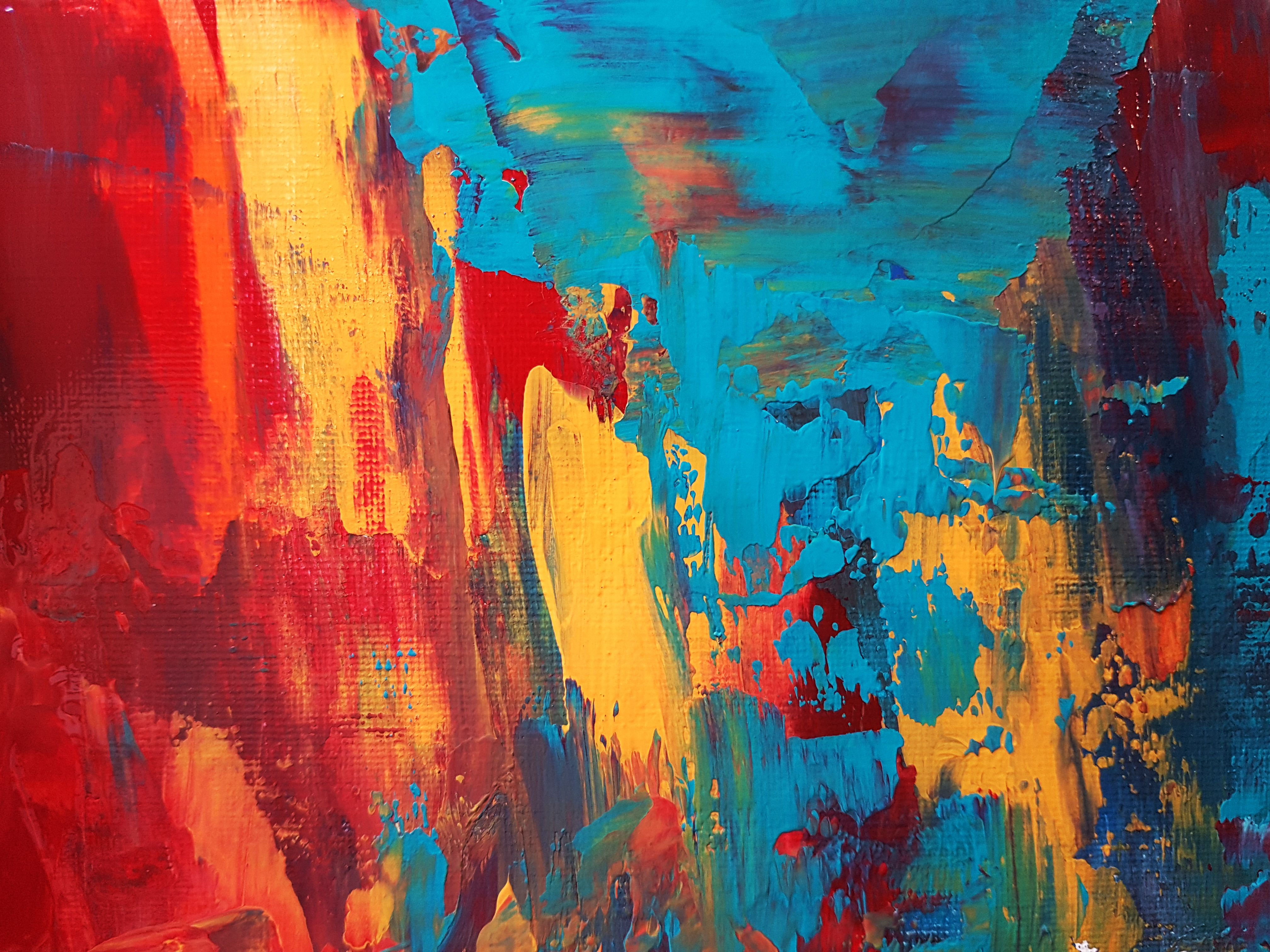
Abstract art plays a crucial role in the art world by challenging traditional norms and encouraging viewers to think differently. It opens up a dialogue about the nature of art and its limitless possibilities. By breaking away from the constraints of realism, abstract art invites innovation and experimentation.
Moreover, abstract art allows artists to communicate complex ideas and emotions that may not be easily expressed through representational art. This flexibility and depth give abstract art its enduring appeal.
How to Start Appreciating Abstract Art
For those new to abstract art, visiting galleries or museums with abstract collections can be a good start. Engaging with the artwork in person allows for a deeper connection. Additionally, reading books or attending lectures about abstract art can provide valuable insights and enhance your appreciation.

Conclusion
Abstract art, with its diverse styles and interpretations, offers a unique and enriching experience. By opening your mind and embracing its unconventional nature, you can discover a world of creativity and expression that goes beyond the visible. Whether you’re an art enthusiast or a curious beginner, abstract art invites you to explore and enjoy its boundless possibilities.