Comparing Art Styles: Traditional vs. Modern at ARAW Gallery


Exploring Art Styles at ARAW Gallery
Art has always been a reflection of society, capturing the essence of different eras through various styles and techniques. At ARAW Gallery, we celebrate this diversity by showcasing both traditional and modern art styles. This comparison not only highlights the evolution of art but also offers a deeper understanding of how artists express themselves across generations.
Understanding Traditional Art
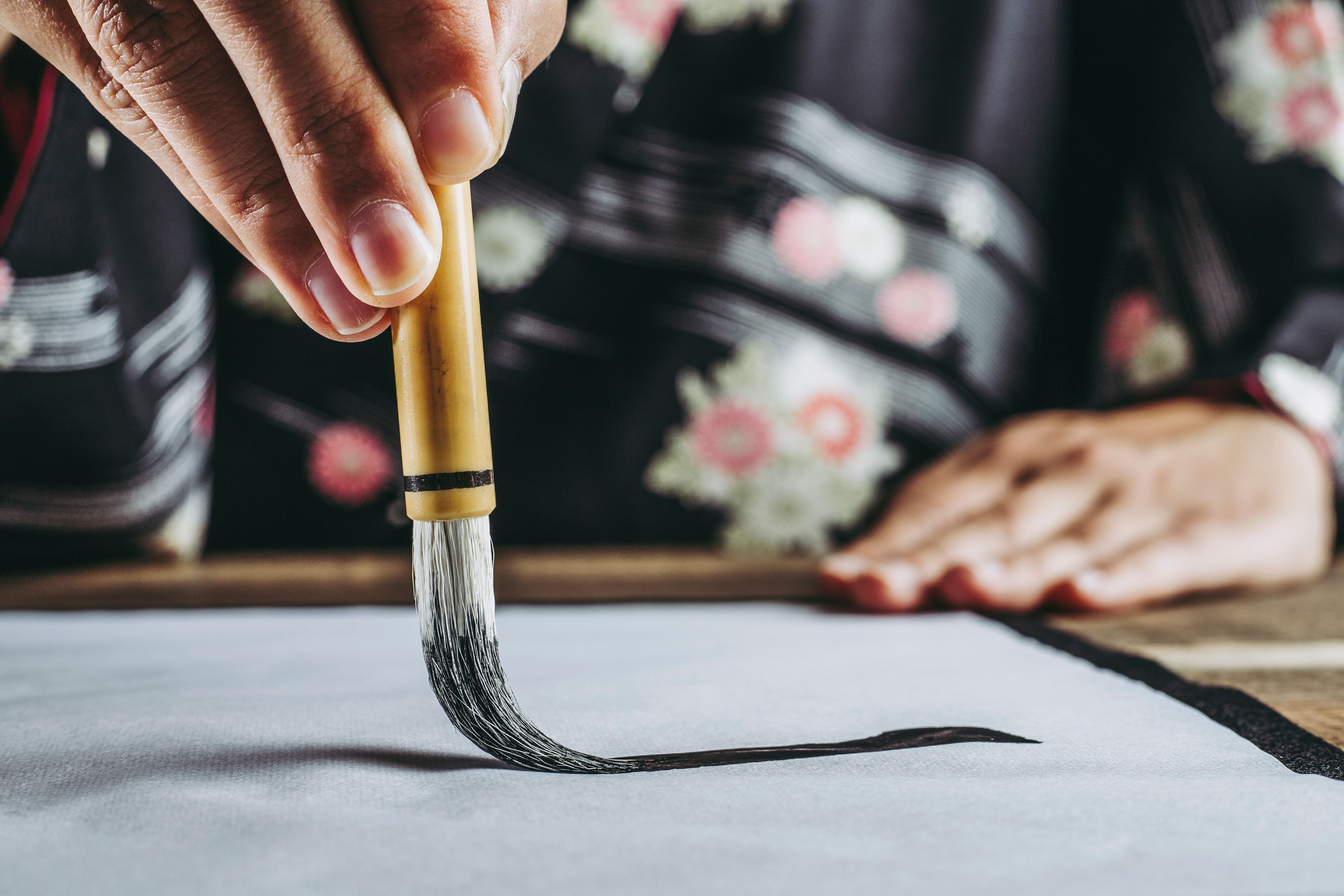
Traditional art encompasses a wide range of styles that have stood the test of time. These include classical paintings, sculptures, and other forms that have been practiced for centuries. Traditional art often adheres to long-established techniques and subjects, focusing on realistic depictions and meticulous attention to detail.
Some of the most recognizable forms of traditional art are the works of the Renaissance, Baroque, and Impressionist periods. These styles emphasize harmony, proportion, and a deep connection with nature and humanity. Artists like Leonardo da Vinci and Claude Monet are celebrated for their contributions to the traditional art world.
The Rise of Modern Art
In contrast, modern art represents a break from tradition, embracing innovation and experimentation. Emerging in the late 19th and early 20th centuries, modern art challenges conventional boundaries and explores new perspectives. This movement is characterized by abstract forms, bold colors, and a focus on individual expression.
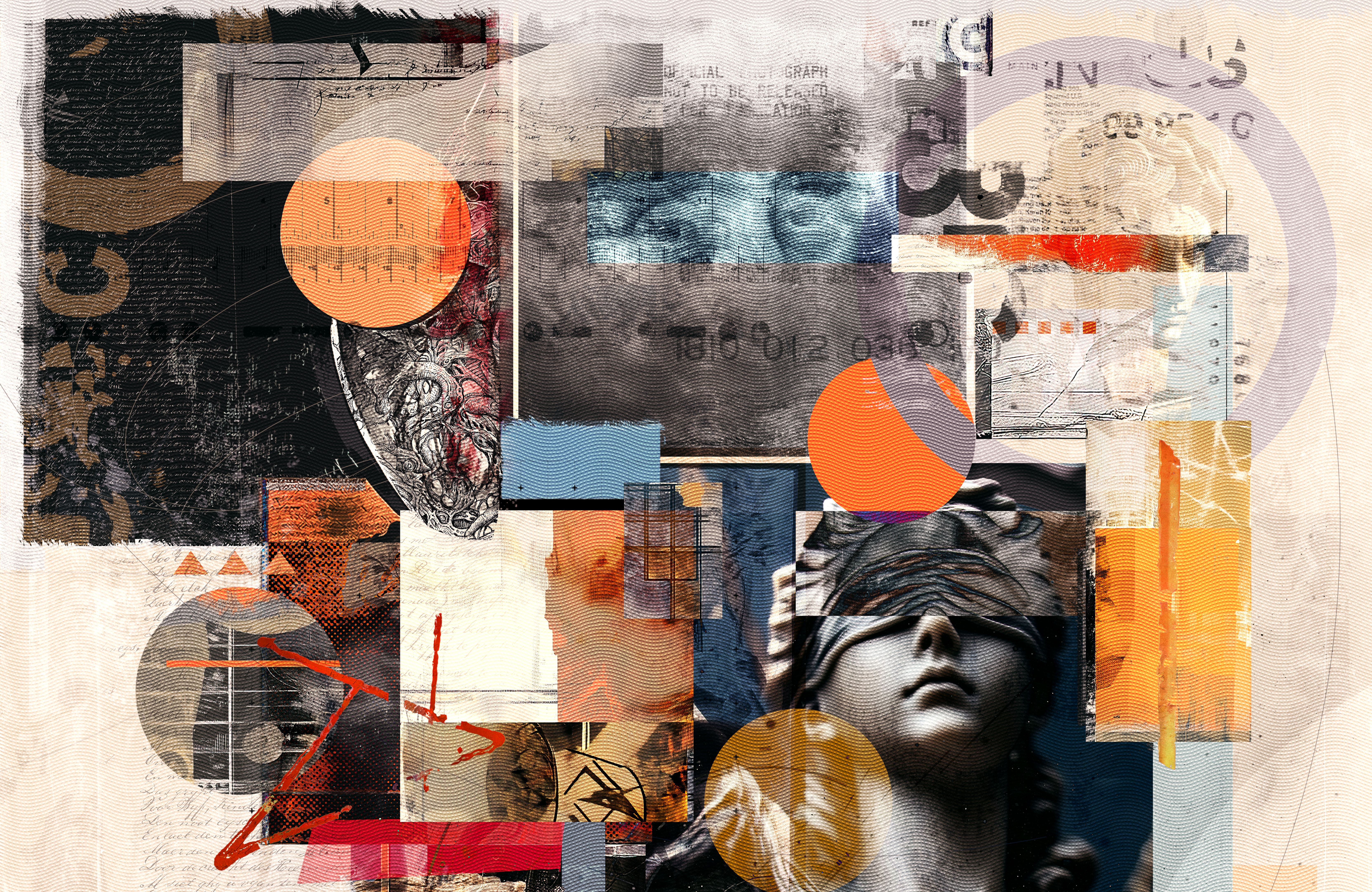
Modern art includes various movements such as Cubism, Surrealism, and Abstract Expressionism. Artists like Pablo Picasso and Jackson Pollock are emblematic of this era, pushing the limits of creativity and redefining what art could be.
Comparing Techniques and Materials
One of the key differences between traditional and modern art lies in the techniques and materials used. Traditional artists often relied on oil paints, canvases, and stone, while modern artists have embraced a wide array of materials, from acrylics to digital media. This shift allows for greater versatility and experimentation in modern art.
- Traditional Techniques: Oil painting, fresco, marble sculpture
- Modern Techniques: Mixed media, digital art, installation
The Influence of Cultural Context
Both traditional and modern art are deeply influenced by the cultural contexts in which they were created. Traditional art often reflects the religious, political, and social themes of its time. In contrast, modern art is more likely to challenge societal norms and provoke thought, often responding to contemporary issues.
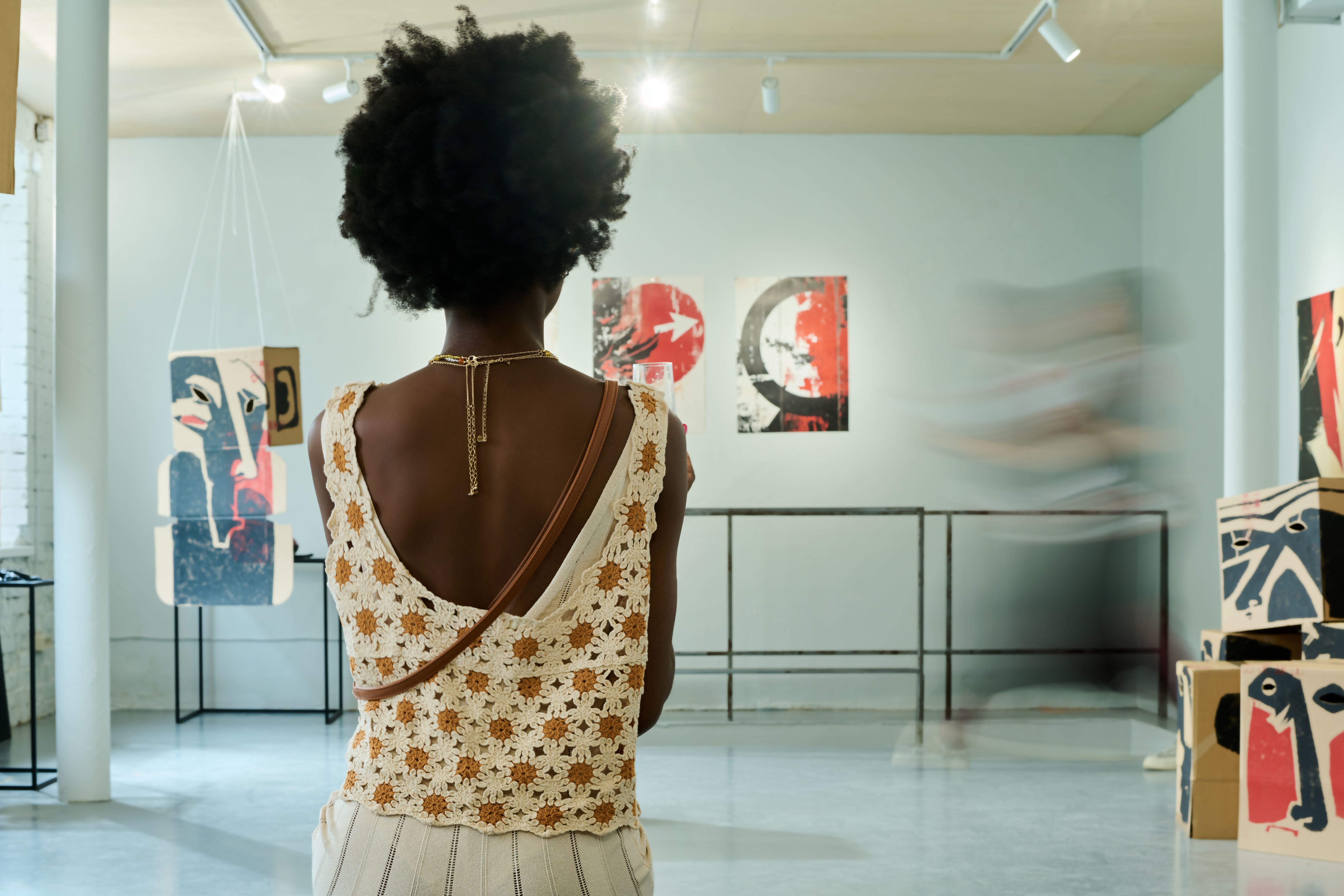
At ARAW Gallery, we believe that both styles offer invaluable insights into the human experience. By appreciating the nuances of each, visitors can gain a richer appreciation of art's enduring impact.
Conclusion: A Harmonious Coexistence
While traditional and modern art may seem worlds apart, they coexist harmoniously in the art world, each contributing to the rich tapestry of human creativity. At ARAW Gallery, we invite you to explore these styles, understand their significance, and discover the beauty that lies in their differences.
Whether you're drawn to the intricate details of traditional art or the bold expressions of modern works, there's something for everyone to enjoy. Visit us to experience this fascinating journey through art history.