How to Curate Your Own Art Collection: Tips from ARAW Gallery Experts


Understanding Your Personal Style
Curating your own art collection begins with understanding your personal style. This will guide you in choosing pieces that resonate with your taste and complement your living space. Take some time to explore different art forms, from abstract to realism, and note which styles evoke emotions or spark interest. Consider visiting galleries or browsing online to gather inspiration.
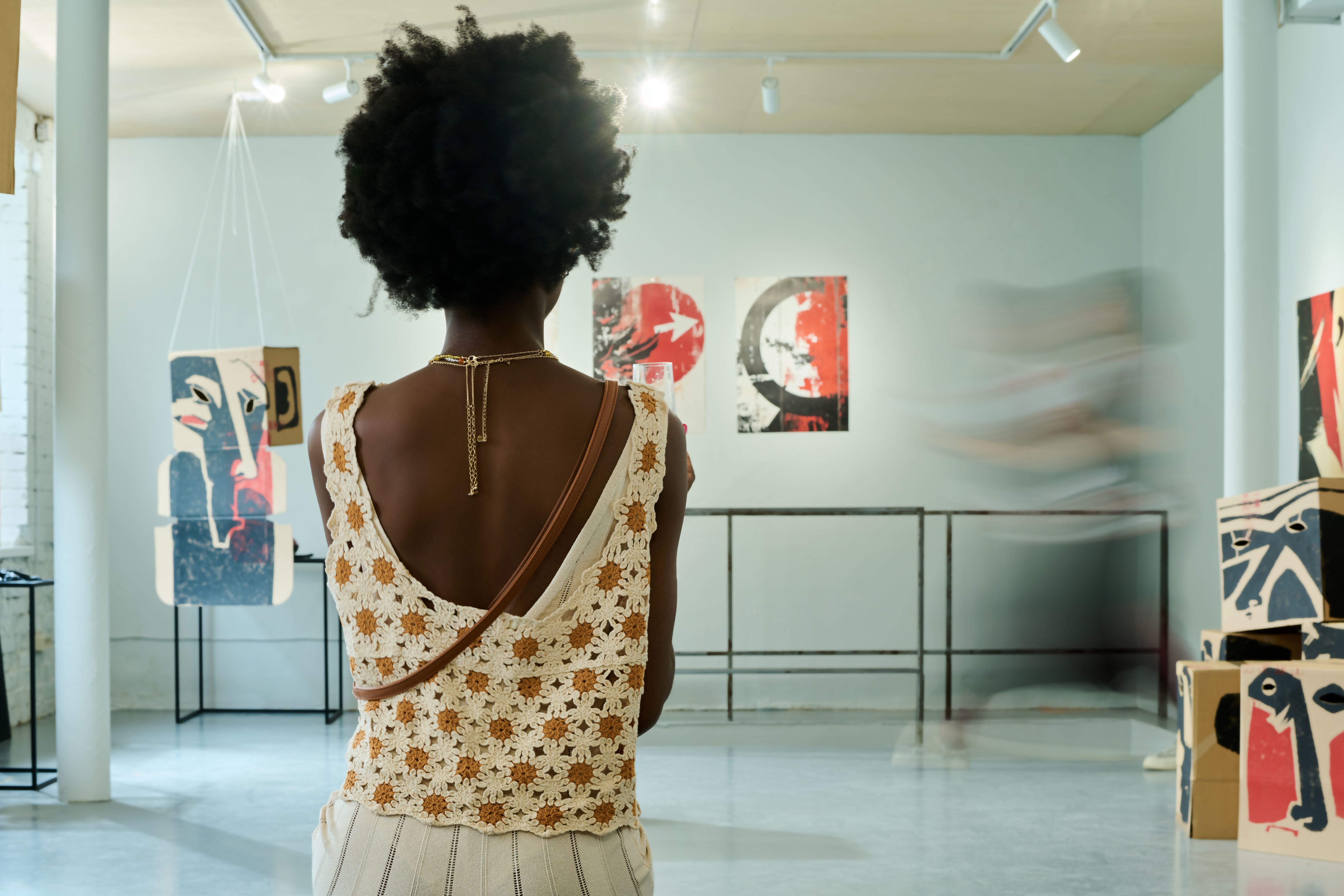
Once you have a sense of what you like, think about how these pieces will fit into your home. Do you prefer bold and colorful artworks, or are you drawn to more subtle, monochromatic pieces? Identifying your preferences will help you make cohesive choices.
Setting a Budget
Before you start purchasing art, it's crucial to set a budget. Art can range from affordable prints to expensive originals, so having a clear financial plan will prevent overspending. Decide how much you are willing to invest in your collection initially and adjust as your collection grows.
Consider allocating funds for different types of art, such as paintings, sculptures, or photography. This will allow you to diversify your collection without exceeding your budget.
Research and Education
Educating yourself about art is an essential step in curating a collection. Attend exhibitions, seminars, and art fairs to gain insights from experts and fellow collectors. Understanding the history and context of different art movements can enhance your appreciation and help you make informed decisions.
Read books and articles about artists and their work. The more you know, the more confident you'll feel in selecting pieces that not only appeal to you but also hold value over time.
Building Relationships with Artists and Galleries
Developing relationships with artists and galleries can provide unique opportunities to acquire art. Galleries often have exclusive pieces or early access to new collections. Building a rapport with gallery owners may also lead to personalized recommendations that align with your taste.
Engage with artists directly by attending studio visits or following them on social media. This connection can offer insights into their creative process and allow you to support emerging talent.
Displaying Your Collection
Once you've started acquiring art, the next step is displaying your collection. Consider how each piece interacts with your space and other artworks. Use lighting, framing, and positioning to enhance the visual impact of each piece.
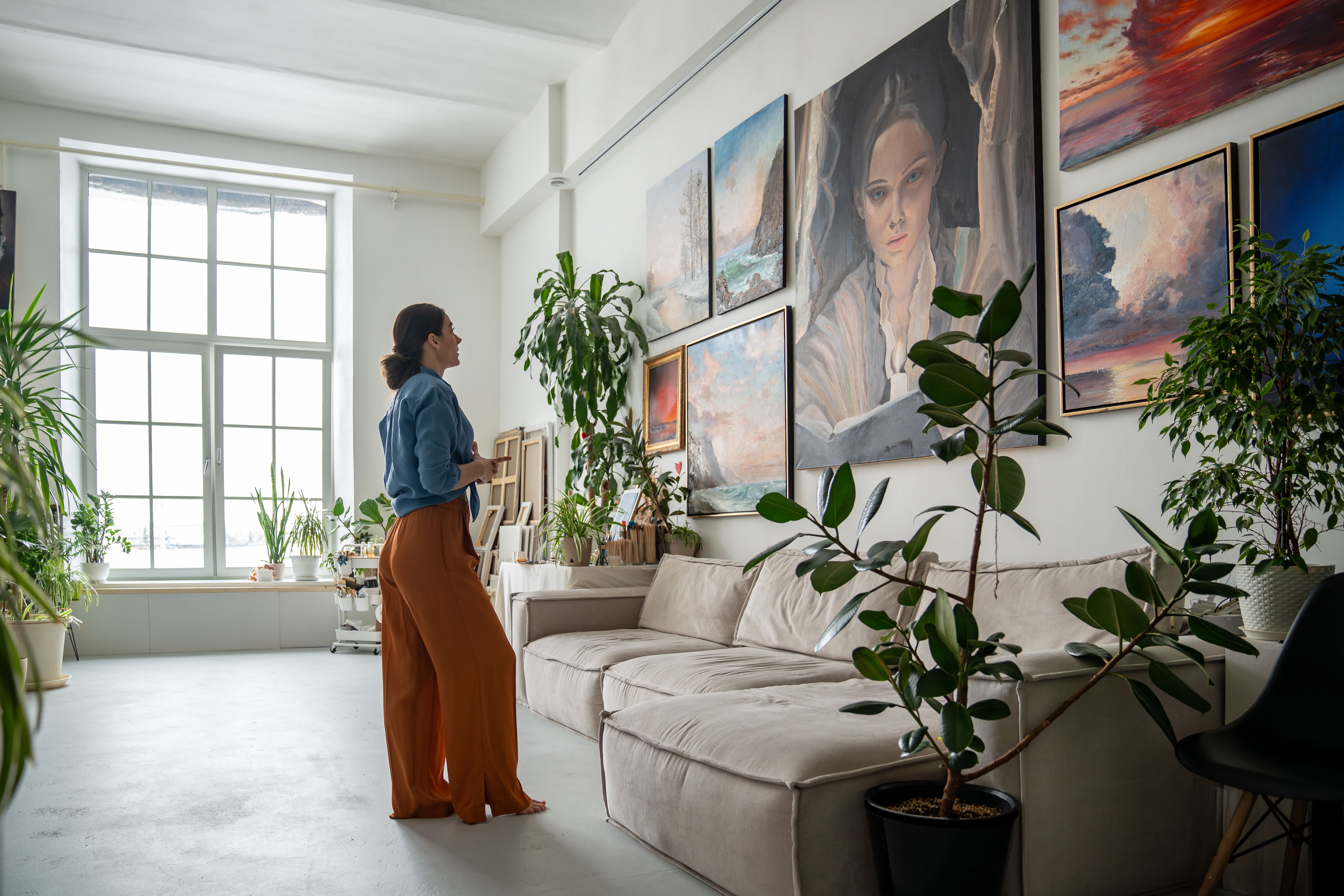
Experiment with different arrangements, such as a gallery wall or thematic clusters. Remember, the way you display your art can significantly influence how it is perceived and appreciated by viewers.
Maintaining and Growing Your Collection
Proper maintenance is vital to preserve the quality and value of your art collection. Ensure that pieces are kept in suitable conditions, away from direct sunlight and humidity. Regular cleaning and professional restoration may be necessary for older or more delicate works.
As your interest and knowledge grow, continue to expand your collection. Stay informed about new artists and trends, and don't be afraid to explore different styles or mediums.
Conclusion
Curating your own art collection is a rewarding journey that reflects your personal taste and appreciation for creativity. By understanding your style, setting a budget, educating yourself, building relationships, and carefully displaying your pieces, you can create a collection that brings joy and inspiration to your life.
Whether you're a seasoned collector or just starting, these tips from ARAW Gallery experts will help you navigate the exciting world of art collecting with confidence and passion.