How to Start Your Own Art Collection: Tips from Experts


Understanding Your Interests
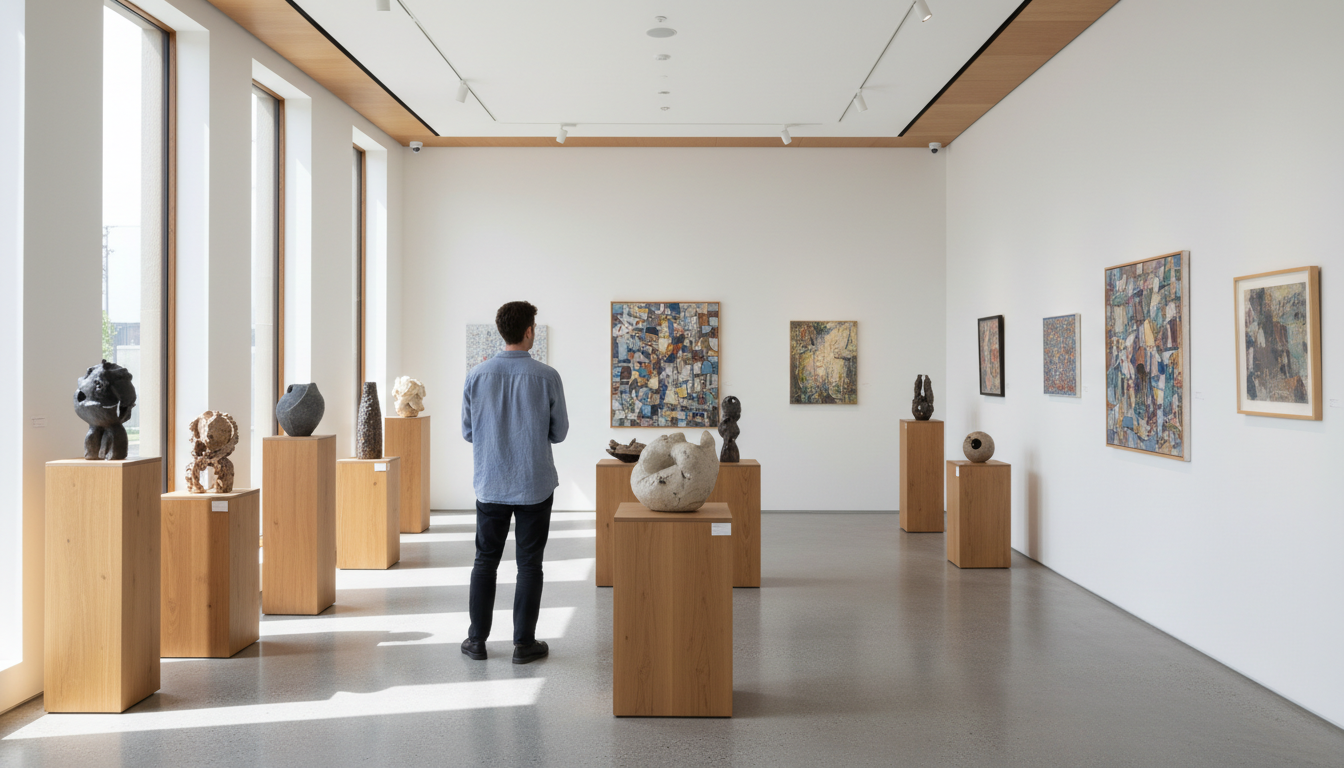
Starting an art collection is an exciting journey, but it begins with understanding what truly captivates you. Spend time exploring different art styles, periods, and mediums to discover what resonates with your personal tastes. Visit galleries, museums, and art fairs to immerse yourself in the vibrant world of art. This exploration will help you identify your preferences and set the direction for your collection.
Consider keeping a journal or digital record of artworks that intrigue you. This will serve as a valuable reference when you're ready to make your first purchase. Remember, your collection should reflect your personality and interests.
Setting a Budget
Having a clear budget is crucial when starting your art collection. Decide how much you're willing to invest and stick to it. Remember, collecting art is a long-term commitment, and it's important to avoid financial strain. It's possible to find beautiful pieces at any price point, so don't be discouraged if you're working with a limited budget.
Consider allocating funds not only for purchasing art but also for framing, insurance, and maintenance. These additional costs are essential for preserving the quality of your collection.
Researching Artists and Artworks
Once you've identified your interests and budget, start researching artists and artworks. Look for emerging artists whose work you admire; they often offer more affordable pieces. Read up on their background, influences, and artistic style to gain a deeper understanding of their work.
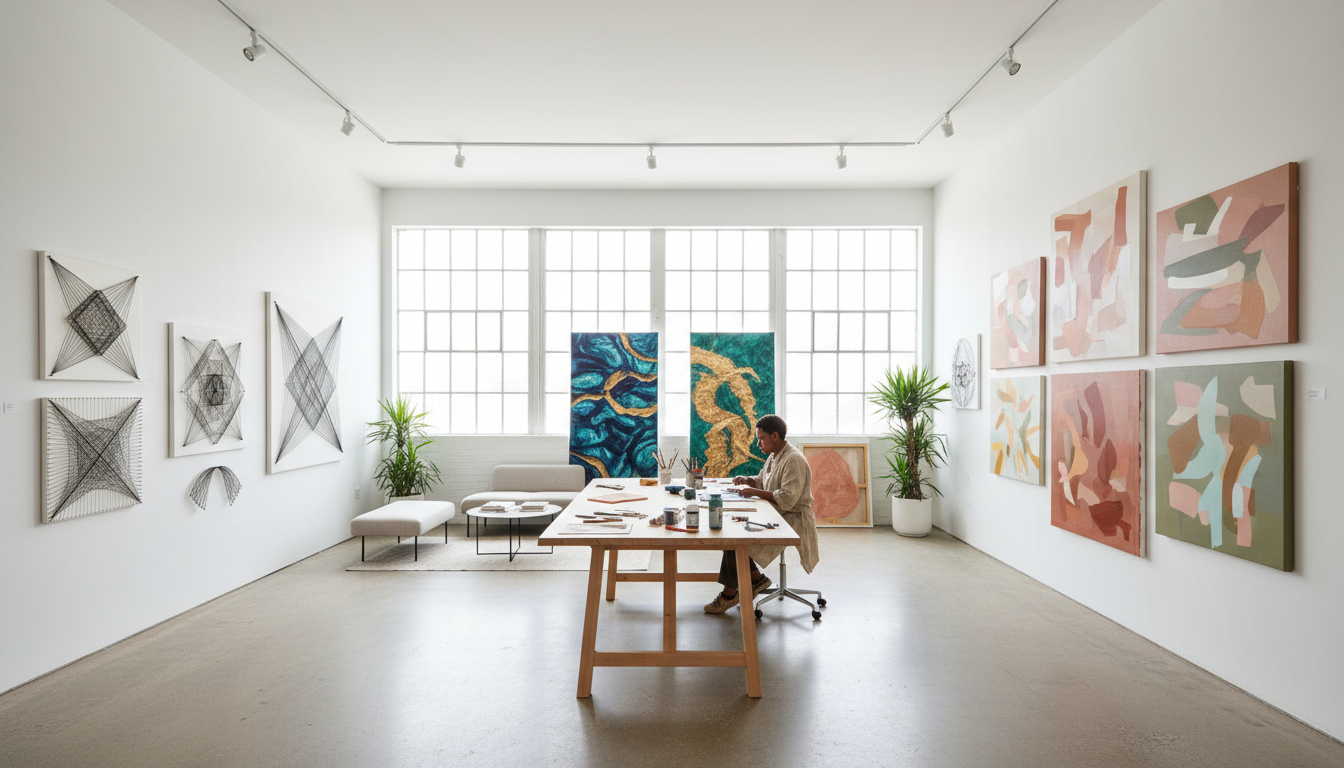
Utilize online platforms and art publications to stay informed about current trends and new talents. Engaging with the art community through forums and social media can also provide valuable insights and recommendations.
Building Relationships with Galleries and Dealers
Establishing relationships with galleries and art dealers is a key step in building your collection. These professionals can offer expert advice, help you find specific pieces, and provide access to exclusive events. Attend gallery openings and art fairs to network and learn from industry insiders.
Don't hesitate to ask questions and seek guidance. Most galleries are more than willing to educate new collectors about the art world and assist in making informed decisions.
Trusting Your Instincts
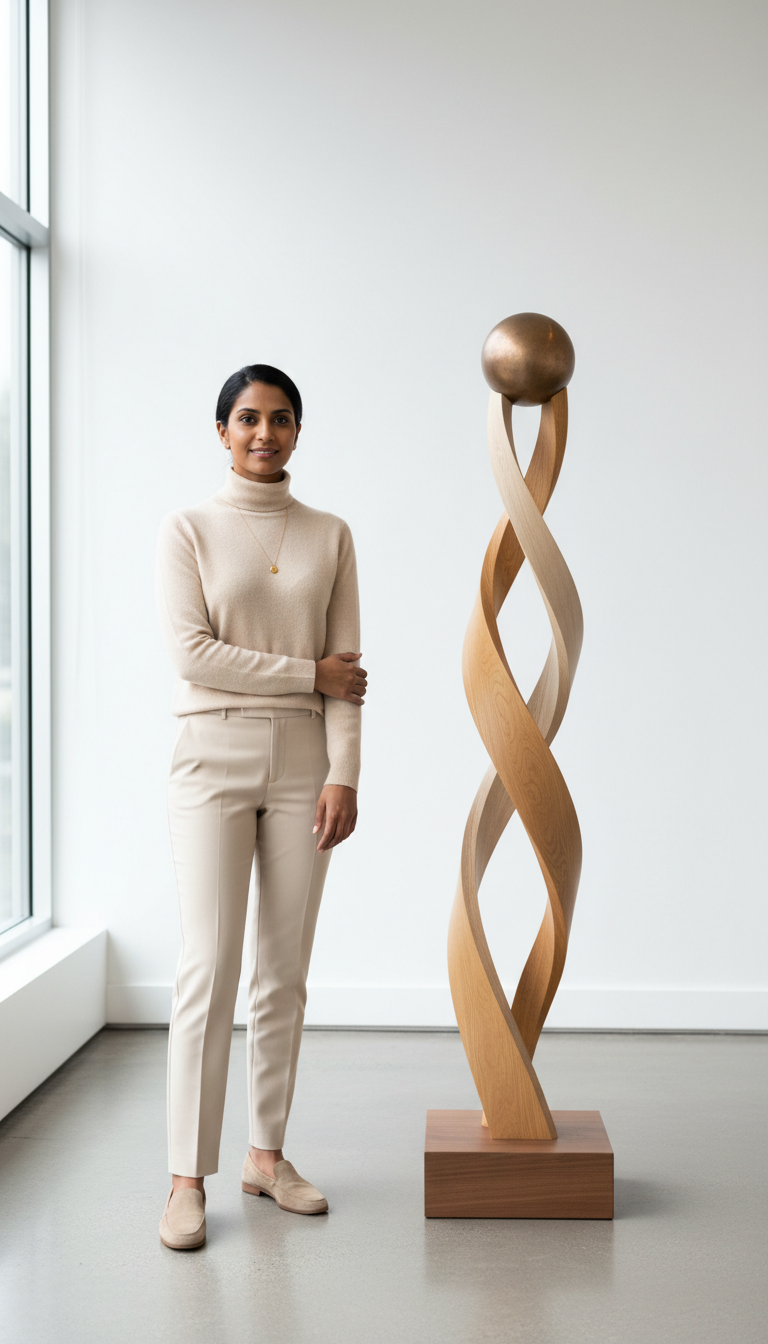
While expert advice is invaluable, it's important to trust your instincts. Art is subjective, and your collection should reflect your unique taste. If a piece speaks to you, don't be afraid to pursue it, even if it's not currently in vogue.
Remember, the most rewarding collections are those that resonate personally with the collector. Follow your heart and enjoy the process of curating a collection that is uniquely yours.
Investing in Art Education
Finally, consider investing in art education to deepen your understanding and appreciation of art. Attend lectures, workshops, and courses to gain insights into art history, valuation, and conservation. This knowledge will empower you to make informed decisions and enhance your enjoyment of the art world.
Building an art collection is a journey filled with discovery and personal growth. By following these expert tips, you'll be well on your way to curating a collection that inspires and enriches your life.