The Role of Art in Filipino Culture: Understanding Its Impact and Influence


The Rich Tapestry of Filipino Art
Art in the Philippines is a vibrant reflection of its rich history, diverse culture, and dynamic modern influences. From traditional crafts to contemporary art forms, it plays a crucial role in shaping and expressing Filipino identity. Understanding this intricate tapestry requires delving into the various forms of art that have flourished in the archipelago.
Traditional Filipino art includes weaving, carving, and pottery, representing the skills and creativity of indigenous communities. These crafts are not only artistic expressions but also serve practical purposes, showcasing the resourcefulness of the Filipino people.
The Influence of Colonial History
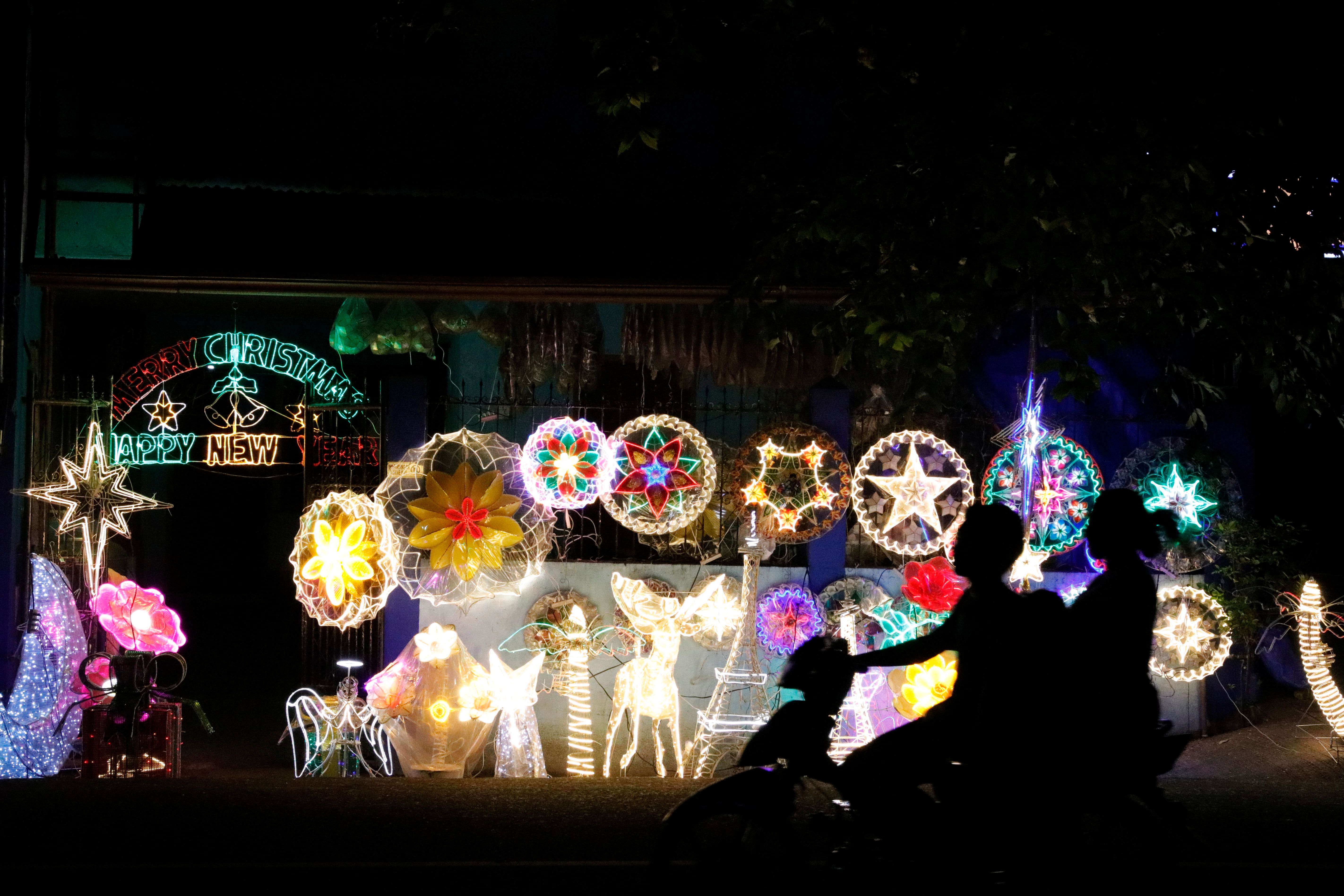
Colonial history has significantly influenced Filipino art, with Spanish colonization introducing new artistic styles and themes. Religious art flourished, with churches adorned with intricate carvings and paintings depicting biblical scenes. This blend of indigenous and colonial influences has created a unique artistic identity.
During the American colonial period, new forms of artistic expression emerged. Western education and exposure to global trends led to the development of modern art in the Philippines, including painting, sculpture, and literature.
Contemporary Art and Global Influence
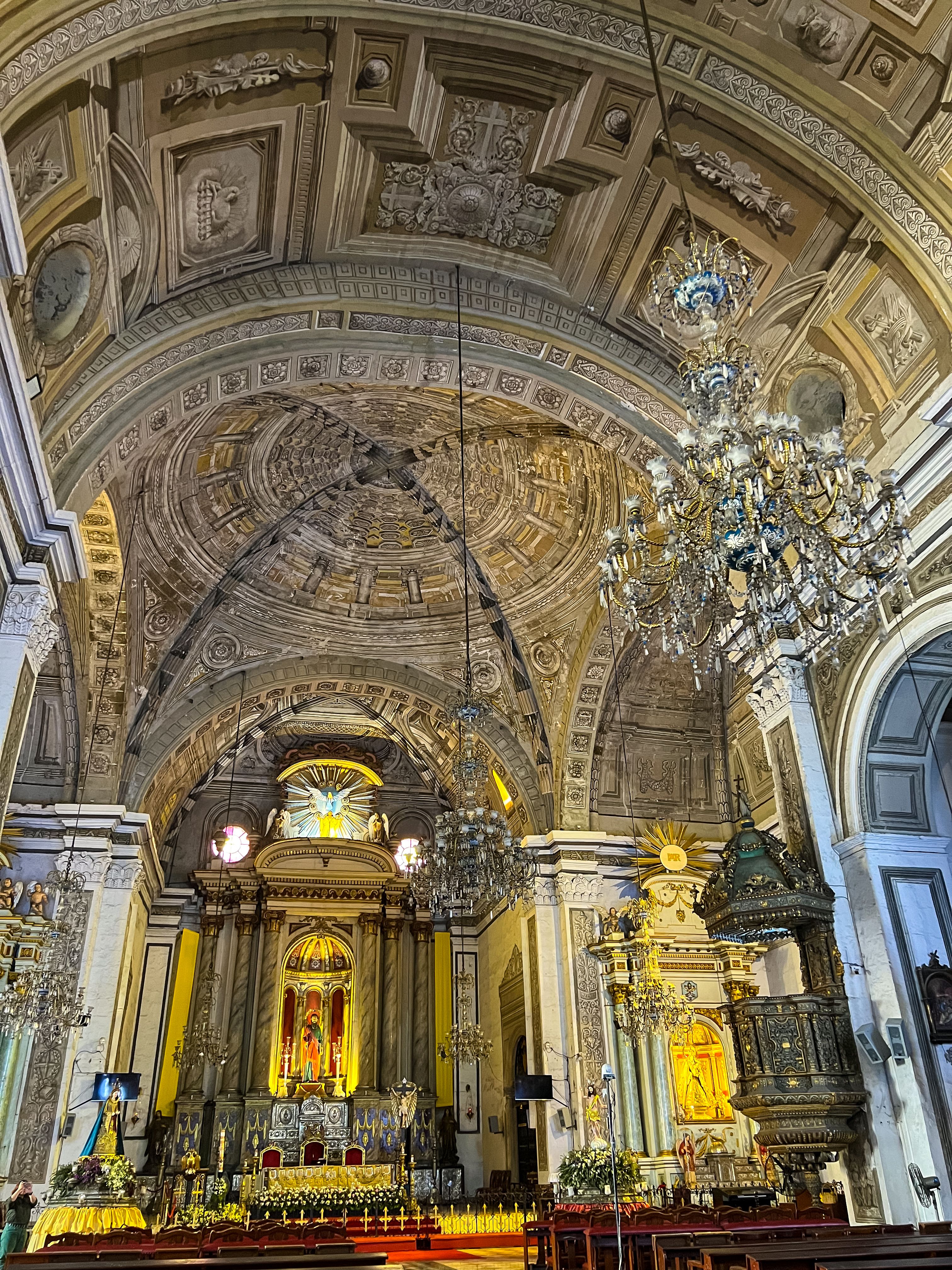
Today, Filipino artists are making their mark on the global stage. Contemporary art in the Philippines is a dynamic mix of traditional and modern techniques, reflecting both local and international influences. This fusion is evident in the works of renowned Filipino artists who have gained international acclaim.
The rise of digital art and new media has also opened up exciting possibilities for Filipino artists. By leveraging technology, they are exploring new ways to express their creativity and share their culture with a global audience.
Art as a Tool for Social Change
Art in the Philippines is not just about aesthetics; it is also a powerful tool for social change. Artists often use their work to comment on social issues, from political oppression to environmental concerns. Through art, they can raise awareness, provoke thought, and inspire action.
Street art and murals have become popular mediums for voicing social and political messages. These public artworks engage communities and encourage dialogue, making art an integral part of social movements.

Preserving and Promoting Cultural Heritage
Efforts to preserve and promote Filipino art are vital in maintaining cultural heritage. Various organizations and government initiatives are dedicated to supporting artists and ensuring traditional crafts are passed down to future generations.
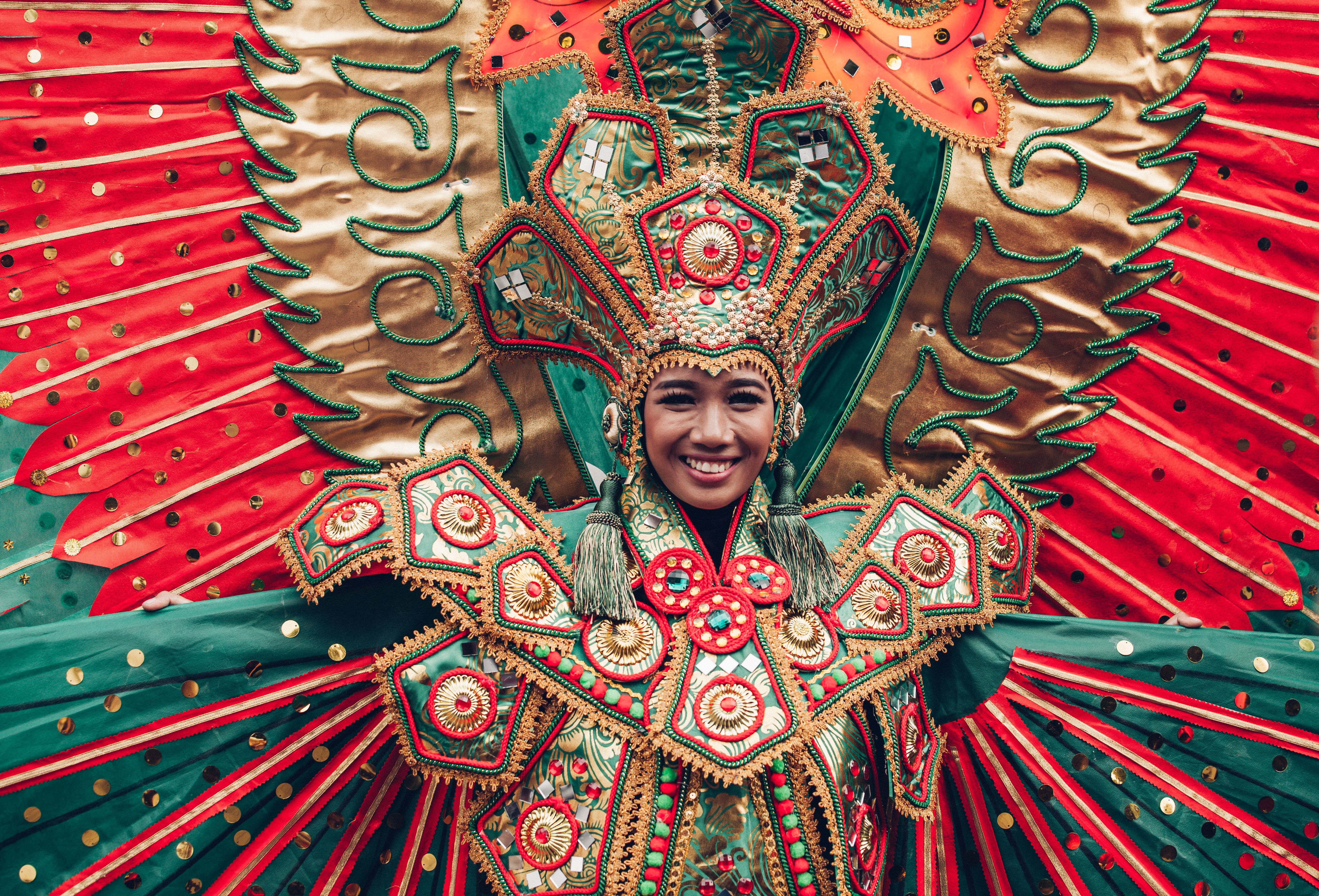
Festivals, exhibitions, and art fairs play a crucial role in promoting Filipino art. These events provide platforms for artists to showcase their work, connect with audiences, and celebrate the country's rich artistic heritage.
The Future of Filipino Art
As the Philippines continues to evolve, so too will its art. The future promises exciting developments as artists explore new mediums and themes, pushing the boundaries of creativity. The ongoing dialogue between tradition and innovation ensures that Filipino art will remain a vital and influential force in global culture.
By understanding the role of art in Filipino culture, we gain insight into the heart and soul of the nation. Art is more than just a reflection of society; it is an essential part of the Filipino identity, shaping and being shaped by the country's history, values, and aspirations.